COMPOSITE MATERIAL CONTROL
Composite Material Families, Storage and Handling
General identification, storage, exposure tracking and safe handling for composite repair materials.
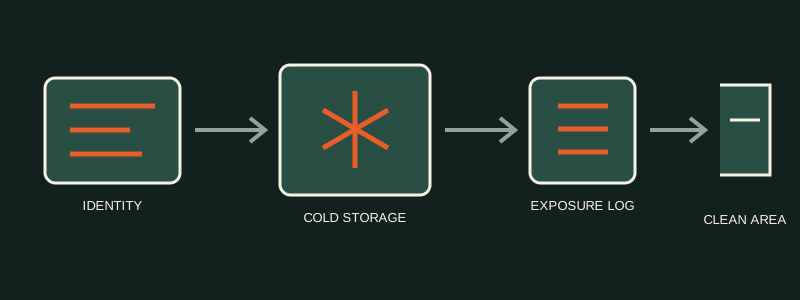
Key reference points
- Identify the complete material system and product form.
- Track storage and cumulative exposure time.
- Protect material condition, traceability and personnel safety.
Organised training notes
1Identify the material system
Use the complete approved specification and product identity rather than selecting a material from fibre appearance alone.
- 1.1 ReinforcementsCarbon, glass and aramid fibres have different stiffness, strength, impact, moisture and electrical characteristics.
- 1.2 Matrix and adhesiveResins, film adhesives, foaming adhesives and paste adhesives have distinct mix, cure, storage and application controls.
- 1.3 Product formDry fabric, tape, prepreg, core and adhesive film require different handling and traceability.
2Control storage and exposure
Maintain the specified storage environment and an auditable record of time outside controlled storage.
- 2.1 Storage lifeThe maximum permitted time in the specified storage condition comes from the approved material data.
- 2.2 Out-time and handling lifeTrack cumulative room-temperature exposure and the time allowed to complete lay-up or application.
- 2.3 Thawing and resealingKeep moisture-proof packaging sealed until the material reaches the required condition, then reseal it correctly before return.
3Receive and handle safely
Verify paperwork, transport condition, batch identity and required tests before accepting the material for use.
- 3.1 Contamination controlProtect material from dust, oil vapour, smoke, moisture and contact that can affect bond quality.
- 3.2 Personal protectionUse the current safety data sheet and required eye, skin and respiratory protection.
- 3.3 Mixing and cureFollow the specified ratio, batch size, mixing method, application life and cure cycle; uncontrolled substitutions are not permitted.
Training-reference boundary
This summary is not approved repair or maintenance data. Do not inspect, classify, select material, alter structure or perform a repair from this page alone. Use the current applicable SRM, AMM, engineering order, drawing and company procedures.